 Official government website of the Government of the Kingdom of Saudi Arabia
Expenditure Efficiency Forum: 9 MoUs, 2 Framework Agreements Signed
Published on 2024-11-12
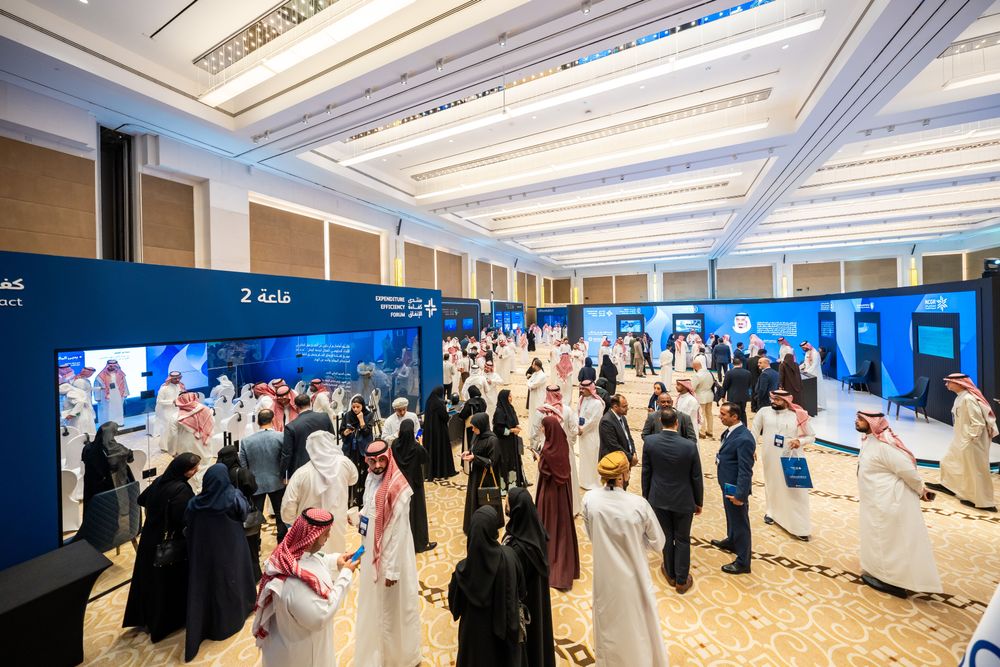
The Expenditure Efficiency Forum, hosted by EXPRO, concluded its activities today in Riyadh after two days full of panel discussions and interactive workshops. The forum featured the launch of the SKEP Platform, EXPRO’s Academy Platform, and the Manual for Implementing the Expenditure Review Methodology in Government Entities. Moreover, nine memoranda of understanding were executed with various government and private sector entities, alongside two framework agreements related to cloud services and the provision of telecommunications services, mobile devices, and group messaging solutions for government entities. These initiatives were undertaken in collaboration with strategic partners, including the Ministry of Finance, the Digital Government Authority, the Communications, Space, and Technology Commission, and the National Center for Government Resource Systems. The Cloud Services Agreement provides flexible and reliable cloud solutions through a variety of options offered by a range of local and global suppliers. It assists government entities in designing and building the most suitable cloud storage systems tailored to their actual needs and optimal use of technological resources, exclusively through the Etimad E-Marketplace. This agreement, which offers infrastructure-as-a-service (IaaS), platform-as-a-service (PaaS), and software-as-a-service (SaaS), aims to enable government entities to adopt cloud solutions, enhance the current agreement by adding more services, offer various infrastructure specifications to suit the needs of government entities, accelerate support for digital government transformation, standardize product and service pricing, enable multi-year contracting, and support the shift from capital expenditures to operational expenditures. As for the framework agreement for the supply of telecommunications services, mobile devices, and bulk messaging services for government entities, it enables contractors to highlight their products and services through Etimad. This allows government entities to issue purchase orders directly and exclusively to contractors based on predefined specifications and prices for the agreement term. This agreement provides services for desktop and mobile phones, personal routers, IoT SIM cards, satellite communication devices and services, bulk messaging, SIM cards, and subscriptions. The agreement aims to enhance the efficiency of digital procurement, support the digital transformation journey, and strengthen the government’s digital economy. It also seeks to increase transparency, encourage greater private sector participation in the delivery of government services, foster a competitive environment among service providers, maximize value for public funds, and improve expenditure efficiency. Moreover, the agreement is designed to reduce procurement time by automating and streamlining procedures through Etimad. EXPRO signed a memorandum of understanding with the National Center for Performance Measurement (ADAA) to collaborate on national indicators and beneficiary satisfaction measurement, as well as to provide support in strategic management, performance evaluation, and initiative management. EXPRO also signed a memorandum of understanding with the King Fahad National Library to collaborate on conducting research and studies, providing advisory services, building capacities, and offering strategic support for assets and facilities. The agreements signed by EXPRO included a memorandum of understanding with the Ministry of Human Resources and Social Development for integration in developing the general government expenditure management framework, cooperation in developing policies and legislation mechanisms, support in preparing the supply and demand methodology, and contributing to improving service quality. EXPRO also signed a memorandum of understanding with the General Organization for Social Insurance to collaborate on assessing compliance with occupational health and safety requirements. The agreement includes establishing a mechanism to collect and analyze data related to contractors’ compliance with occupational health and safety procedures. The memorandum of understanding between EXPRO and the Institute of Public Administration aims to enhance the efficiency and quality of expenditure in training, research, and consulting activities. The agreement focuses on leveraging emerging and innovative technologies, developing an integrated leadership development ecosystem, encouraging participation from leading private sector training providers, and supporting efforts to attract global investment in training. The memorandum of understanding signed between EXPRO, and the General Authority for Defense Development (GADD) includes working on activating the achievement reports of the Expenditure Efficiency Teams, enhancing the readiness of financing proposals for military research and development programs, establishing mechanisms to assess financial and economic impact, and updating the guideline for identifying opportunities to improve expenditure efficiency within the military and security sectors. The memorandum of understanding between EXPRO and the Saudi Data and Artificial Intelligence Authority (SDAIA) aims to identify opportunities for improving government service delivery models through the development and adoption of AI-driven and advanced technology solutions. It also seeks to assess existing national programs and initiatives by leveraging data solutions to measure and monitor the demand for public services to enhance their efficiency, in addition to cooperating on the potential impact of actions and initiatives in improving the quality and efficiency of government expenditure. The memorandum of understanding signed between EXPRO and the Ministry of Education focuses on knowledge and expertise exchange to maximize impact and empower national talent. It also aims to foster collaboration in the application of best practices to enhance the efficiency and effectiveness of procurement processes, improve asset and facility management, and implement localization requirements for operation and maintenance contracts. EXPRO also signed a memorandum of understanding with Mawj and Prosci to collaborate on consulting, capacity building, and training in change management, and to meet the training needs of government entities. Launched by EXPRO during the forum, the SKEP Platform is designed to offer a user-friendly interface that enables communication and interaction with participating entities, facilitates procedures for measuring and evaluating government entities’ compliance, and studying expenditure details, and design a dashboard that helps analyze the current situation and develop reports to increase expenditure efficiency opportunities. EXPRO’s Academy Platform focuses on building the capabilities of government entity employees by adopting the best practices, methodologies, and manuals to maximize impact and achieve sustainability. The training tracks include facility and asset management, planning and project management, government expenditure efficiency, and public procurement efficiency. The Expenditure Efficiency Forum featured 24 interactive workshops that combined theory with practical application and highlighted the best global practices in effective government expenditure management. During the forum sessions, participants, comprising decision-makers and experts from both government and private sectors, exchanged insights and fostered strategic collaboration among government entities to enhance efficiency. On the sidelines of the Expenditure Efficiency Forum, the GCC Expenditure Efficiency Meeting was held to discuss avenues for collaboration across various aspects of expenditure efficiency. Also held was the Strategic Partnership Council with the Local Content and Government Procurement Authority, aimed at following up on joint cooperation tracks, overcoming challenges, and highlighting success stories with working teams. In addition, the Innovation Challenge “Kafa’athon” was held on the forum’s sidelines, offering an integrated platform to present and categorize challenges and reach effective solutions through innovative ideas and distinctive initiatives. Alongside the forum, an accompanying exhibition was held, highlighting key achievements and success stories of government entities in expenditure management. |
Read Also: Latest News
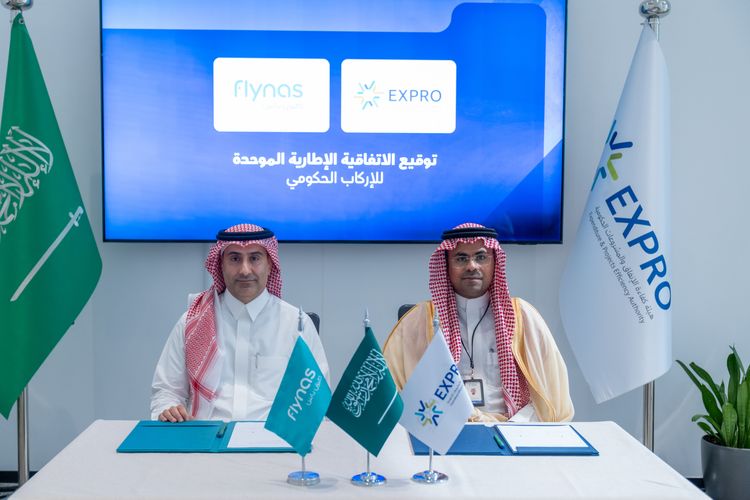
"EXPRO": Following the Joining and Activation of flynas Services, Four Air Carriers Join Government ERCAB Service
Published on 2026-09-14
Last Update Date: 2026-09-27
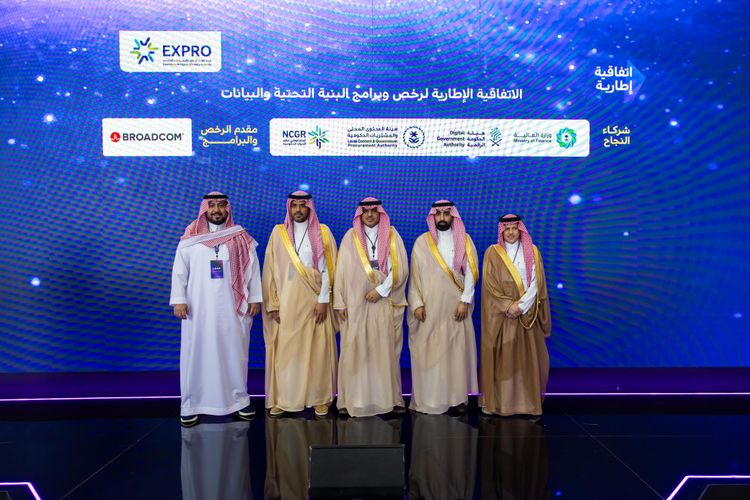
EXPRO Signs Framework Agreement for Infrastructure and Data Licenses and Software for Government Entities at LEAP 2026
Published on 2026-09-03
Last Update Date: 2026-09-27
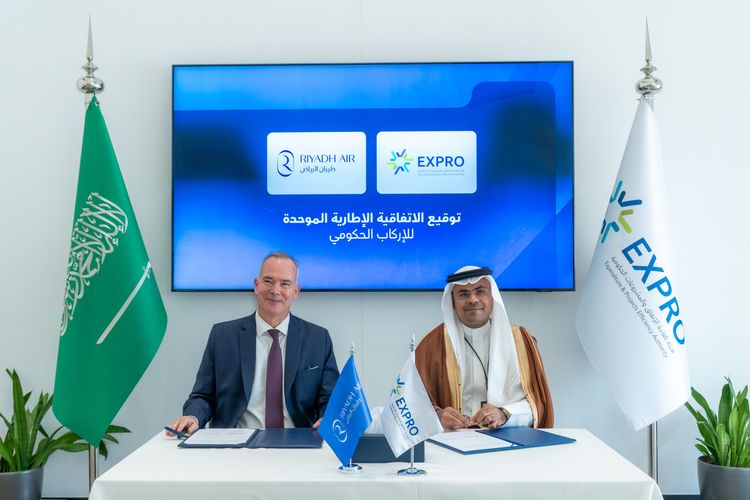
Riyadh Air Joins and Activates its Services under Government ERCAB Framework Agreement
Published on 2026-08-19
Last Update Date: 2026-09-27
Last Update Date: 08/26/2026 - 4:24 PM Saudi Arabia Time
Was this page useful?